Training Course for Forklift Operators in Perth WA
The training course for forklift work in Perth that actually leads to a WorkSafe WA high risk work licence LF is the face-to-face TLILIC0003 pathway; KI Training & Assessing runs it at Welshpool and Naval Base with a real counterbalance forklift, marked travel zones, pallets, racking, and a nationally accredited assessor. The course is built for warehouse staff, yard hands, civil crews, logistics workers, maintenance teams, and anyone who needs a recognised forklift licence for paid work in Western Australia.
Key takeaways
- KITA delivers a face-to-face training course for forklift operators at Welshpool WA 6104 and Naval Base WA 6165.
- The licensing class is WorkSafe WA HRWL LF, assessed against TLILIC0003 Licence to operate a forklift truck.
- Written knowledge, load calculations, and observed practical operation are all required to pass.
- Online-only forklift courses do not issue a WorkSafe WA high risk work licence for LF.
- Group bookings, employer purchase orders, refresher training, and on-site delivery options are available.
What a training course for forklift actually is
A forklift high risk work licence is not a short attendance certificate. It is a formal licensing outcome assessed against the national unit TLILIC0003 Licence to operate a forklift truck. In Western Australia, the LF class covers the standard counterbalance forklift used across warehouses, yards, workshops, freight depots, ports, manufacturing sites, and civil storage areas. A proper training course for forklift operators must prepare you for three things: written knowledge, load calculations, and observed practical operation. You learn how to inspect the machine, read the capacity plate, judge load stability, set up exclusion zones, travel with a load at safe height, stack and destack, and shut the machine down correctly. The course does not replace site induction or employer supervision, but it gives you the licence class many WA employers require before they let you operate plant on shift.
TLILIC0003 training course WA employers will accept
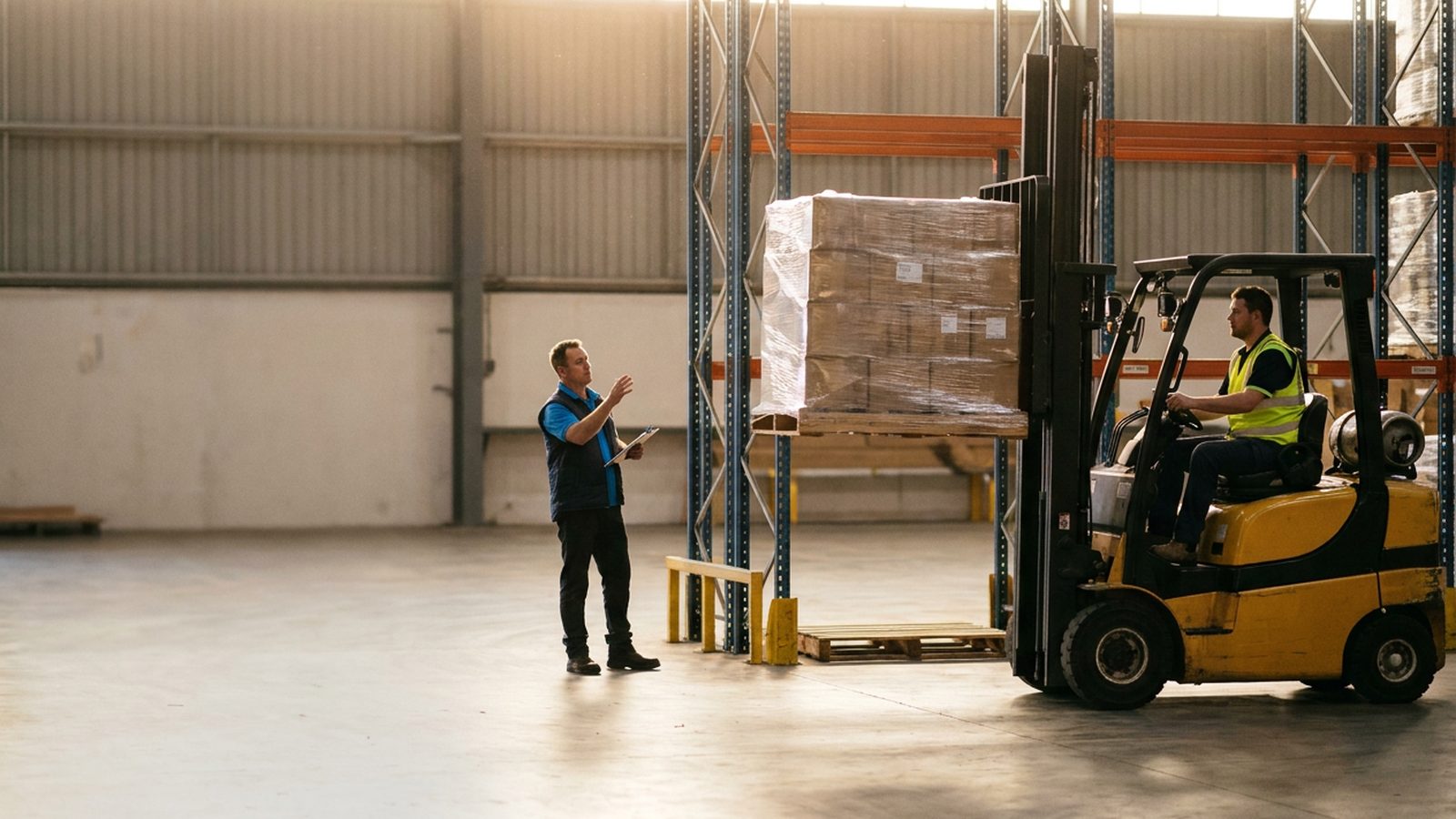
A TLILIC0003 training course WA employers accept is delivered face to face by a WorkSafe WA nationally accredited assessor using the current national assessment instrument. The practical assessment must happen around a working forklift, not just a classroom screen. Candidates need to show safe control of the machine, understand the machine rating, identify hazards, and complete the required tasks while the assessor observes from the floor. Before booking any forklift training in Perth, ask whether the provider uses a real counterbalance forklift, whether the assessor is nationally accredited, and whether successful assessments are lodged with WorkSafe WA. KITA runs the same licensing standard at Welshpool and Naval Base. Successful candidates receive a notice of satisfactory assessment, and that notice is lodged so the HRWL card process can start.
Training course for forklift at Welshpool WA 6104
Our Welshpool campus at 70 Cleaver Terrace, Welshpool WA 6104 is a practical choice for candidates coming from the Perth CBD, Kewdale, Welshpool, Canning Vale, Malaga, Midland, Bayswater, and the airport industrial area. The classroom sits close to the training yard, so theory moves straight into pre-start checks, load-chart reading, travel path control, and stack practice. This matters for new operators because the written content makes more sense once you can see the machine, the counterweight, the mast, the forks, the rated capacity plate, and the marked travel area. Welshpool is also useful for FIFO workers and interstate operators who need to complete their LF licence before starting a Perth roster. Parking is available on site, and course dates run through the month.
Naval Base forklift training for southern industrial crews
Our Naval Base campus at 51A Burlington Street, Naval Base WA 6165 delivers the same high risk forklift training WA employers request from crews working around Kwinana, Rockingham, Henderson, Fremantle Ports, the Australian Marine Complex, and the southern industrial corridor. The course is assessed against the same national unit and licensing instrument as Welshpool. Naval Base suits employers who need multiple workers trained near workshop, fabrication, logistics, marine, construction, and shutdown work zones. Course scheduling often lines up with project mobilisations and refinery shutdown windows, so booking ahead gives your crew more room if site dates move. On-site delivery can also be quoted for larger groups where the employer can provide a suitable forklift, a safe area, and compliant assessment conditions.
Course structure: theory, load charts, practical
The training course for forklift operators covers the legal duties attached to high risk work, the role of WorkSafe WA, hazard identification, exclusion zones, machine stability, workplace communication, pre-start inspection, and safe shutdown. Load-chart work is a major part of the course because operators must know when a load exceeds the machine rating or becomes unstable because of height, distance, angle, damaged pallets, or poor weight distribution. Practical training covers mounting and dismounting safely, checking controls, using the horn and mirrors, positioning the forks, lifting a marked load, travelling a route, stacking to racking, destacking, and parking the machine safely. Most candidates should plan for two to three days. Operators with previous supervised experience may move through familiar tasks faster, but every candidate still needs to meet the same assessment standard. National guidance is set out by Safe Work Australia.
Eligibility, USI, ID and enrolment
To sit the TLILIC0003 forklift course, you must be at least 18 years old, hold a Unique Student Identifier, and bring suitable photo ID on the first day. There is no prerequisite HRWL class for LF, so a new worker can book directly into forklift training without first holding a dogging, crane, or EWP licence. Wear work-ready clothing and steel-cap boots. KITA supplies the required training environment and standard safety gear such as hi-vis, hard hat, gloves, and hearing protection where required. If you need language, literacy, numeracy, or learning support, raise it before the course date so the team can talk through the available support options. Bookings can be made by phone, email, online enquiry through the contact page, or employer purchase order.
Assessment, WorkSafe WA lodgement and your card
Assessment is not based on attendance alone. The assessor must be satisfied that you can answer the required knowledge questions, complete the load calculation component, and operate the counterbalance forklift safely in the practical task. The written component covers the legal framework, operating hazards, pedestrian controls, machine checks, load stability, and emergency response. The calculation component checks whether you can interpret the machine rating and identify when a load is outside safe limits. The practical component is the licensing core: you inspect the forklift, pick up a load, travel a marked route, stack and destack, and shut down safely. If you are found satisfactory, the notice of satisfactory assessment is issued and lodged with WorkSafe WA. The HRWL card is then mailed through the standard process.
Pricing, group bookings and refreshers
Public rates for the training course for forklift operators are priced per candidate and cover course materials, use of the training area, forklift operation, pallets and load samples, assessment time, and the required licensing administration. Employers can request group pricing for crews, and on-site delivery can be quoted for larger teams if the workplace has a suitable machine and safe assessment area. Refresher training is available for LF holders who already have a licence but have not operated for some time or need confidence before returning to a high traffic site. A refresher is not the same as a full initial licence course, but practical observation still matters. Candidates who need both counterbalance forklift and order picker usually complete LF first, then LO. Full pathway on the high risk work licence page.
Online vs face-to-face forklift training
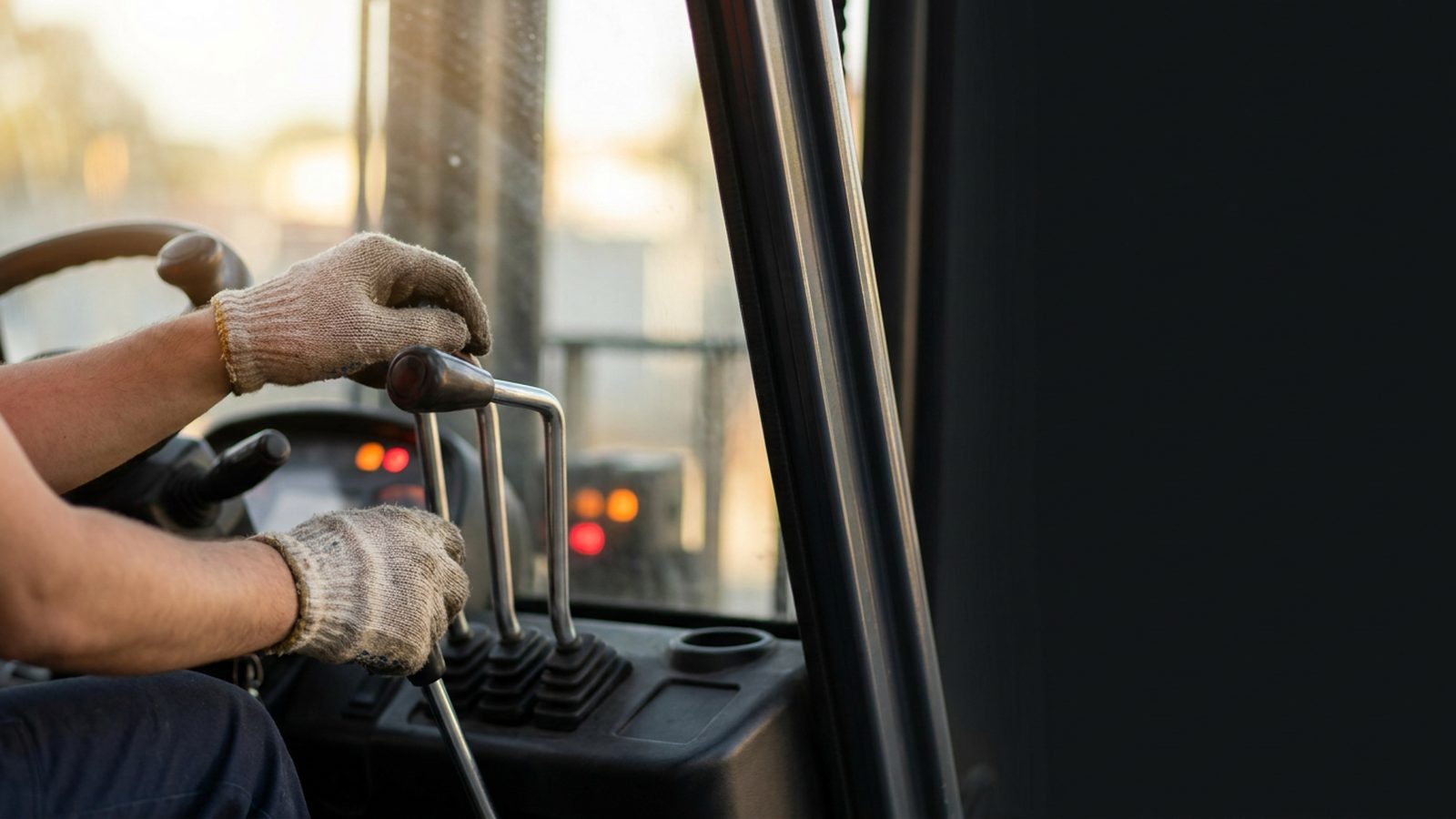
An online-only forklift course will not give you the WorkSafe WA HRWL LF card. Online theory may be useful as study support, but the licensing outcome requires observed practical operation of a real forklift. A laptop camera cannot prove that you can complete a pre-start, judge the load against the capacity plate, control the mast, set fork height, check surroundings, stack safely, and shut the machine down in a live training area. This is why KITA runs face-to-face forklift training at Welshpool and Naval Base. If a job ad asks for a forklift ticket, forklift licence, HRWL LF, or TLILIC0003, assume the employer means the formal high risk work licence class, not a generic online completion certificate.
How to book the right forklift course
Before you book, confirm that you need LF, not LO. LF is the standard counterbalance forklift licence used in most warehouse, yard, and freight work. LO is the order picker licence and sits under a separate unit. Then choose the campus that suits your work location: Welshpool for central, eastern, airport, and inner industrial areas, or Naval Base for southern industrial and port-related work. Bring photo ID, your USI, steel-cap boots, and work-ready clothing. If an employer is paying, organise the purchase order before the course starts. If you are booking a crew, ask about group dates, on-site options, and whether any candidate needs learning support. Browse related short courses and workplace safety options to plan the wider training matrix.
“The forklift truck has transformed materials handling since the 1920s and remains the most common item of powered industrial truck used in warehouses and yards.” — Wikipedia contributors, Forklift
Frequently asked questions
Is a forklift ticket the same across every state in Australia?
The HRWL LF class is a national licence assessed against the national unit TLILIC0003, so a card issued in Western Australia is recognised in every other state and territory.
How long is the training course for forklift operators?
Two to three days for most candidates, with longer schedules for operators completely new to forklifts. Written knowledge, load calculation, and observed practical operation all sit inside that window.
Do I need a prerequisite licence before booking?
No. There is no prerequisite HRWL class for LF. You must be at least 18, hold a USI, and bring photo ID on the first day.
Can I sit the course fully online in WA?
No. WorkSafe WA will not issue an HRWL from an online-only forklift course, because the practical component requires observed operation of a real counterbalance forklift.
What is the difference between LF and LO?
LF covers a standard forklift truck such as a counterbalance forklift. LO covers an order picking forklift and is assessed under a separate class and unit.
Can my employer book a group course?
Yes. Employers can request group bookings, purchase order billing, and on-site delivery where the workplace can support safe assessment conditions.