
Rigging Ticket Perth | KI Training & Assessing
A “rigger ticket” printed off a website will not pass a WorkSafe WA audit or a Tier 1 site induction — the ticket that actually clears the gate is a high risk work licence in the right rigging class (basic, intermediate, or advanced), assessed face to face by a nationally accredited assessor.
Key takeaways
- A rigger ticket is a WorkSafe WA high risk work licence in class RB, RI, or RA, assessed face to face by a nationally accredited assessor.
- KITA runs the full pathway (basic, intermediate, advanced) at Welshpool (70 Cleaver Terrace) and Naval Base (51A Burlington Street).
- Basic rigging requires a current dogging (DG) ticket. Intermediate requires basic. Advanced requires intermediate.
- Assessment covers written knowledge, load calculation, and observed practical against a real yard crane.
- A notice of satisfactory assessment is lodged with WorkSafe WA and the plastic HRWL card follows in the standard turnaround.
What a rigger ticket actually is on a WA site
Rigging is a high risk work licence (HRWL) under Schedule 3 of the WHS Regulations, and WA runs three classes. Basic rigging (class RB) covers structural steel erection, precast concrete panels, safety nets and static lines, mast climbers, and cantilevered crane loading platforms. Intermediate rigging (class RI) adds hoists with more than one car, cranes and conveyors, dual lifts, and demolition of structures. Advanced rigging (class RA) adds gin poles, flying foxes, guyed derricks and structures, and suspended scaffolds.
When a WA employer or head contractor says “get your rigger ticket Perth blokes need”, they mean one of those specific classes. The plastic HRWL card issued by WorkSafe WA carries the class code, and site induction checks it against the SWMS.
Rigging licence Perth sites will actually accept
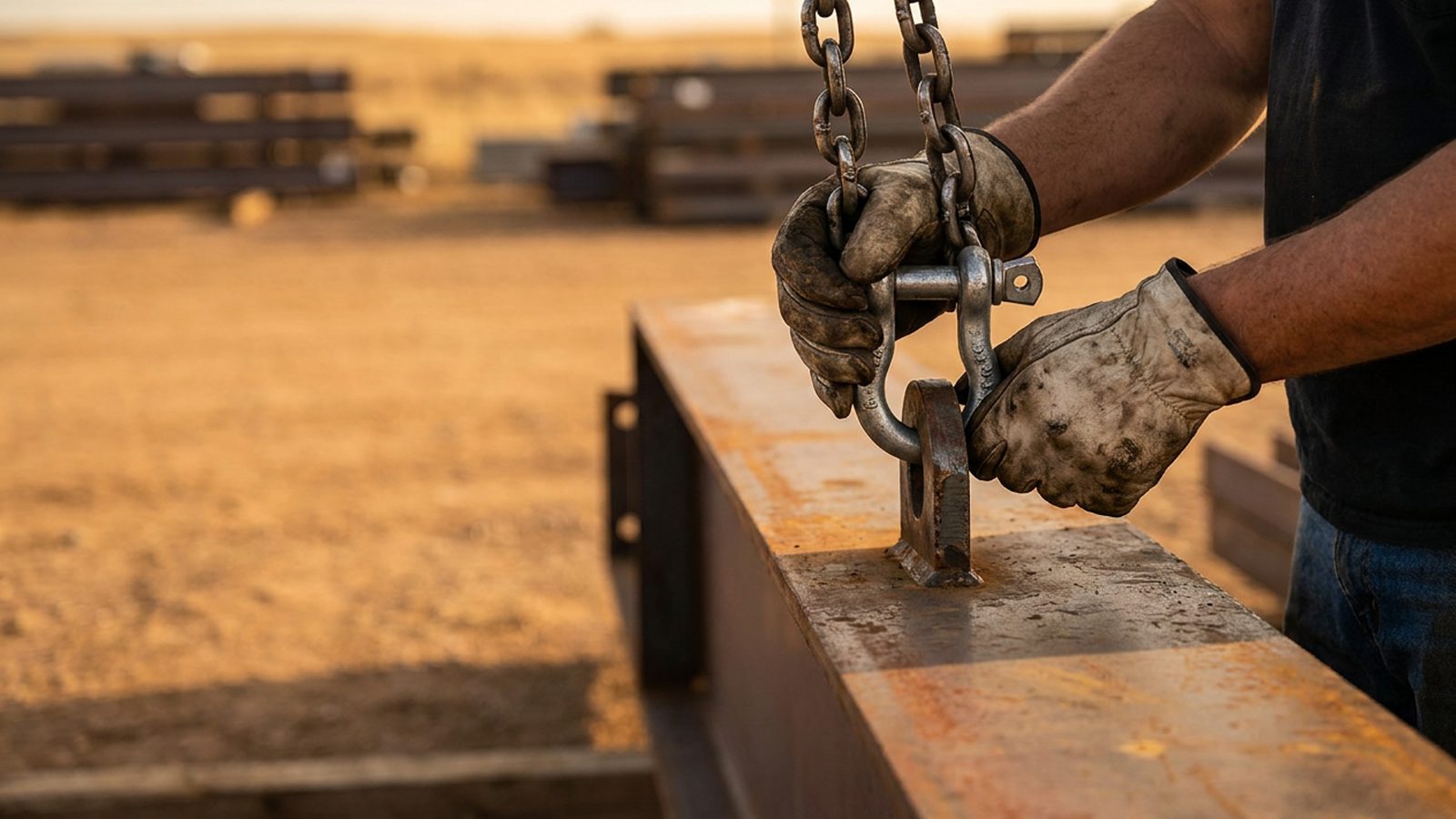
A rigging licence Perth principal contractors will actually accept is assessed face to face by a WorkSafe WA nationally accredited assessor (NAR) against the national assessment instrument. Online-only rigging tickets do not exist for HRWL classes because the unit requires observed practical rigs, sling and shackle selection to a calculated load, communication with a crane operator, and safe de-rig. None of that can be assessed through a laptop.
Before you book anywhere, ask three questions: is the trainer a NAR, is the assessment against the current national instrument, and will the notice of satisfactory assessment be lodged with WorkSafe WA. If the answer to any is no, the card will not turn up.
Rigger ticket Welshpool at 70 Cleaver Terrace
Our Welshpool campus at 70 Cleaver Terrace runs rigging courses on a working mobile crane with a full gear store on site. The yard holds chain slings, wire and synthetic slings, shackles, spreader bars, plate clamps, and lifting beams so candidates select gear against a calculated load rather than a whiteboard sketch. There is a structural steel erection area, a precast panel setup, and load stations that let the assessor watch a full rig, lift, land, and de-rig cycle.
The classroom sits next to the yard so calculation theory rolls straight into gear selection. Welshpool suits crews coming in from the Perth CBD, the eastern suburbs, Midland, Perth Airport contractors, and northern construction jobs where a south-of-the-river drive costs half a day. Parking, amenities and course dates are on-site through the month, so a knock-back at Monday induction can usually be turned around inside the same fortnight.
CPCCLRG3001/3002/3003 rigging course structure
The basic rigging course WA employers ask for is CPCCLRG3001A Licence to perform rigging basic level. Theory covers WHS Regulations, load charts, load estimation, sling angles, reeve factors, gear inspection, communication signals, exclusion zones, and safe de-rig. Practical covers structural steel erection, precast panel installation, safety nets and static lines, mast climbing work platforms, and cantilevered loading platforms, each rigged against a marked load and lifted with the yard crane under a NAR assessor. National guidance sits under the Safe Work Australia model WHS laws.
Intermediate (CPCCLRG3002A) is booked after basic and adds hoists with more than one car, cranes and conveyors, dual lifts, and demolition rigging. Advanced (CPCCLRG3003A) is booked after intermediate and adds gin poles, flying foxes, guyed derricks and structures, and suspended scaffold rigs. Five days is typical for a candidate coming straight from dogging into basic, with shorter upgrade paths for competent operators. Written knowledge, calculation, and observed practical are all required to pass. You cannot pen your way through the practical component.
Eligibility, ID, USI and booking your rigging training
You must be at least 18 to sit a HRWL rigging class, hold a Unique Student Identifier (USI), and bring photo ID on day one. Basic rigging requires a current dogging (class DG) ticket. Intermediate requires basic. Advanced requires intermediate. Wear work-ready clothing and steel-cap boots; we supply hi-vis, hard hat, gloves, and hearing protection. Language, literacy, and numeracy support is available on request.
Bookings are handled by phone, email, or the online form on our contact page. Employer purchase orders are accepted, and group bookings of four or more attract a crew rate. Confirm your booking at least two weeks out, because HRWL dates fill quickly around construction and shutdown windows.
Assessment, WorkSafe WA lodgement and your card
The rigging course is assessed by a WorkSafe WA nationally accredited assessor (NAR) against the current national assessment instrument. Assessment runs across written knowledge, load calculation, and observed practical. The written test covers legal framework, gear inspection, sling angles, communication signals, and exclusion zones. The calculation component asks you to work out load weight, sling tension at working angle, and gear selection to a working load limit, with a calculator.
The practical is where the licence class gets signed off: you inspect and select gear, rig the load, brief the crane operator, direct the lift, land clean, and de-rig safely. Successful candidates receive a notice of satisfactory assessment on the day. The notice is lodged with WorkSafe WA, and the HRWL card is mailed inside the standard turnaround. You can start work on the notice pending the card arriving.
Pricing, group bookings, refreshers and advanced add-ons
Public course rates are per candidate and cover materials, gear use, crane time, NAR assessor, and the WorkSafe WA lodgement fee. Crews of four or more attract a group rate, and on-site delivery for eight or more is quoted against travel, gear availability, and a safe assessment area on your yard.
A refresher session is available for riggers whose competency has lapsed; it runs shorter than the full class but still finishes on the observed practical. Candidates moving up the classes can book basic, intermediate, and advanced in a stepped schedule via the rigging course page, banking field hours between each. Payment is by card, bank transfer, cheque, or employer purchase order.
Rigger ticket Naval Base from 51A Burlington Street
Our Naval Base campus at 51A Burlington Street runs the same rigging classes as Welshpool, against the same national instrument, with a NAR assessor and yard crane on site. Naval Base suits crews working out of Kwinana, Rockingham, Henderson, Fremantle Ports, the Australian Marine Complex, and the southern industrial corridor.
Course dates cluster around AMC fabrication windows and refinery shutdowns, so a booking two to three weeks ahead gives your crew room to move. Assessors rotate between Welshpool and Naval Base, so the standard on the practical is the same at either yard. Candidates can sit basic at one campus and intermediate at the other. On-site delivery is available for crews of eight or more, provided you can supply a suitable crane, gear, and safe assessment area.
Customer story: structural steel erector into the rigging crew
A structural steel erector from Perth (name withheld to keep the client private) had held a dogging ticket for two years and wanted to move onto the rigging crew for a warehouse build in Kewdale. We slotted him into a basic rigging course at Welshpool, walked him through structural steel erection, precast, and the practical rig-and-de-rig against a marked load.
He passed the calculation, written knowledge, and observed practical first attempt. Notice of satisfactory assessment was lodged with WorkSafe WA that week, his card arrived inside the standard turnaround, and he was signed onto the steel erection crew for the next steel drop.
After you pass: HRWL card, refresher and site VOC, and choosing KITA
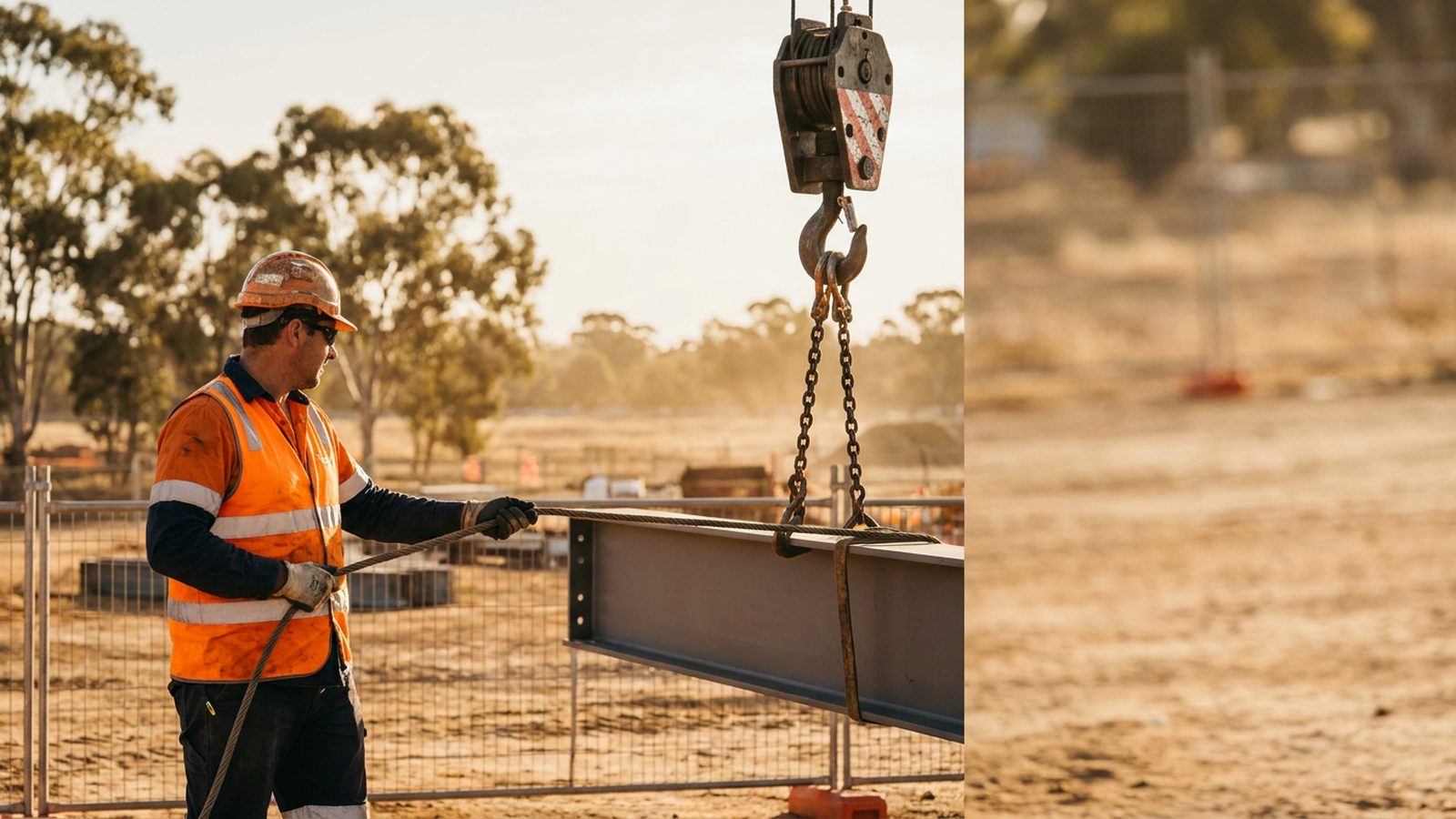
Your WorkSafe WA HRWL rigging card does not carry a hard expiry date, but it is subject to continuing competency. If you have not performed rigging work for an extended period, WorkSafe WA can require a reassessment before you work under the class again. Most Tier 1 principal contractors treat five years as the practical expectation for a rigging refresher or verification of competency (VOC). Site-specific VOCs are separate: a Kwinana refinery shutdown, a Water Corporation project, or an AMC fabrication package will often ask for an on-site VOC against their own SWMS and gear on top of your HRWL. Keep a log of the rigs you have worked on since your last card issue.
KI Training & Assessing runs both campuses with the same NAR assessors, the same national instrument, and the same yard-crane practical. Candidates typically walk the pathway with us: dogging first, then basic rigging, then intermediate once field hours are banked, then advanced when the scope demands gin poles or dual-crane lifts. Browse the full high risk work licence training menu or our short courses at KI. Group rates apply for crews of four or more.
“Rigging is both a noun, the equipment, and verb, the action of designing and installing the equipment, in the preparation to move objects.” — Wikipedia: Rigging
Frequently asked questions
Do I need a dogging ticket before rigging?
Yes. WorkSafe WA requires a current dogging (class DG) HRWL as a prerequisite for basic rigging. You cannot sit basic rigging without it.
What’s the difference between basic, intermediate and advanced?
Basic (RB) covers structural steel, precast, safety nets, mast climbers, cantilevered loading platforms. Intermediate (RI) adds hoists with more than one car, cranes and conveyors, dual lifts, and demolition. Advanced (RA) adds gin poles, flying foxes, guyed derricks, and suspended scaffolds.
How long is a WA rigging ticket valid?
The HRWL card has no hard expiry, but it is subject to continuing competency. Most head contractors expect a refresher or VOC around the five-year mark, and lapsed use can trigger a WorkSafe WA reassessment.
Can I do intermediate straight after basic?
You can book intermediate as soon as your basic class is on the card, but banking a few weeks of field hours between classes makes the intermediate practical significantly easier to pass.